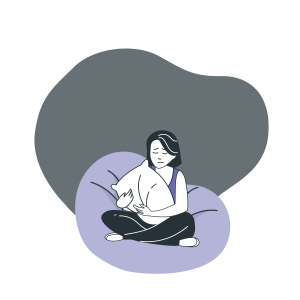
The birth of a child means a change for every woman. Profound biological, emotional and social changes are challenging. Mood swings, increased sensitivity and vulnerability are completely normal phenomena in the postpartum period. However much the baby may be longed for, the adjustment to life with a child (or another child) takes time. Ambivalent feelings about motherhood are allowed. Many women feel stressed, overwhelmed and tired after giving birth. In our society, being a mother is taken for granted and considered so natural that individual doubts reduce confidence in one’s own abilities and in one’s own (self-)love. Feeling guilty and ashamed, few people talk about their experience.
The baby blues is a brief depressive mood that can occur shortly after giving birth or in the first 3-5 days after the birth (50-80% of women experience it). After hours or a few days, feelings such as anxiety, exhaustion, mood swings and impatience subside somewhat and an initial feeling of well-being slowly sets in. The baby blues also subside on it’s own without treatment. Fathers can also experience symptoms of baby blues.
Postpartum depression occurs in around 10-15% of women, sometimes not until a few months after the birth. The causes of postpartum depression are varied (previous depression/anxiety, birth experience, complications during pregnancy, couple relationship, physical causes, perfectionism, social and societal factors).
Unlike the baby blues, the postpartum depression is not limited to a few hours or days and the severity of the symptoms is much stronger. It can develop gradually and vary in severity. Signs of a depressive episode after birth can include
– general moodiness,
– inner emptiness, feeling of hopelessness,
– severe sleep disturbances, restlessness,
– constant tiredness or being over-excited,
– strong feelings of guilt, fears,
– social isolation,
– ambivalent feelings towards the child,
– thoughts of harming oneself or the child.
This can be just as challenging for the partner. Fathers can also suffer from postpartum depression. Postpartum depression is easily treatable.
Many of the symptoms of baby blues and postpartum depression are sometimes healthy and natural reactions to a completely new life situation and are therefore understandable. In the counseling setting, we will take a close look at your concerns and decide whether counseling with us is sufficient or whether we can support you in accessing other parts of the help system. For example, we can look together for psychiatric-psychotherapeutic outpatient or inpatient support for mother and child.